Local attractions

Pylos · Messinia

Local attractions

Discover the wonders of Messinia

The guide

The southwestern Peloponnese hides one of Greece's most rewarding destinations. Mycenaean palaces, Venetian fortresses, omega-shaped beaches, a Natura 2000 wetland, and charming coastal towns — all within easy reach.

01 / 03

History & castles

Mycenaean kings, Venetian sea fortresses and the bay where the fight for Greek independence turned.

Methoni Castle

Methoni Castle

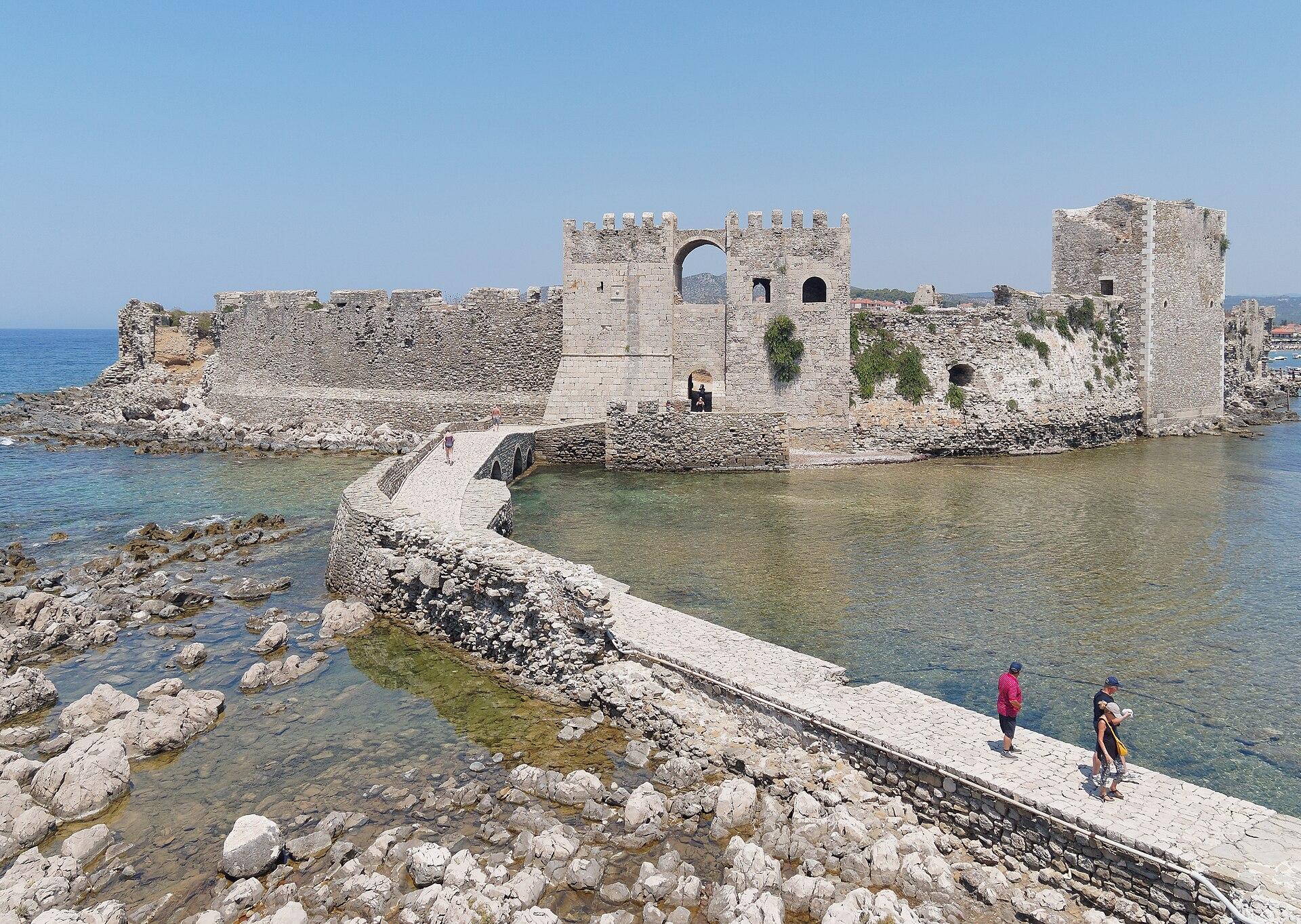
Held by Venice from 1209 and one of the largest castles in the Mediterranean, Methoni fills a whole rocky headland surrounded by sea. Cross the 14-arched stone bridge built by the French in the 1820s, walk among the walls, gates and ruins, and finish at the Bourtzi, the octagonal sea tower at the tip. Late afternoon light on the ramparts is the best time. About 12 km south of Pylos.

Photo: C messier · CC BY-SA 4.0, via Wikimedia Commons

  • Palace of Nestor

    Photo: Peulle · CC BY-SA 4.0, via Wikimedia Commons

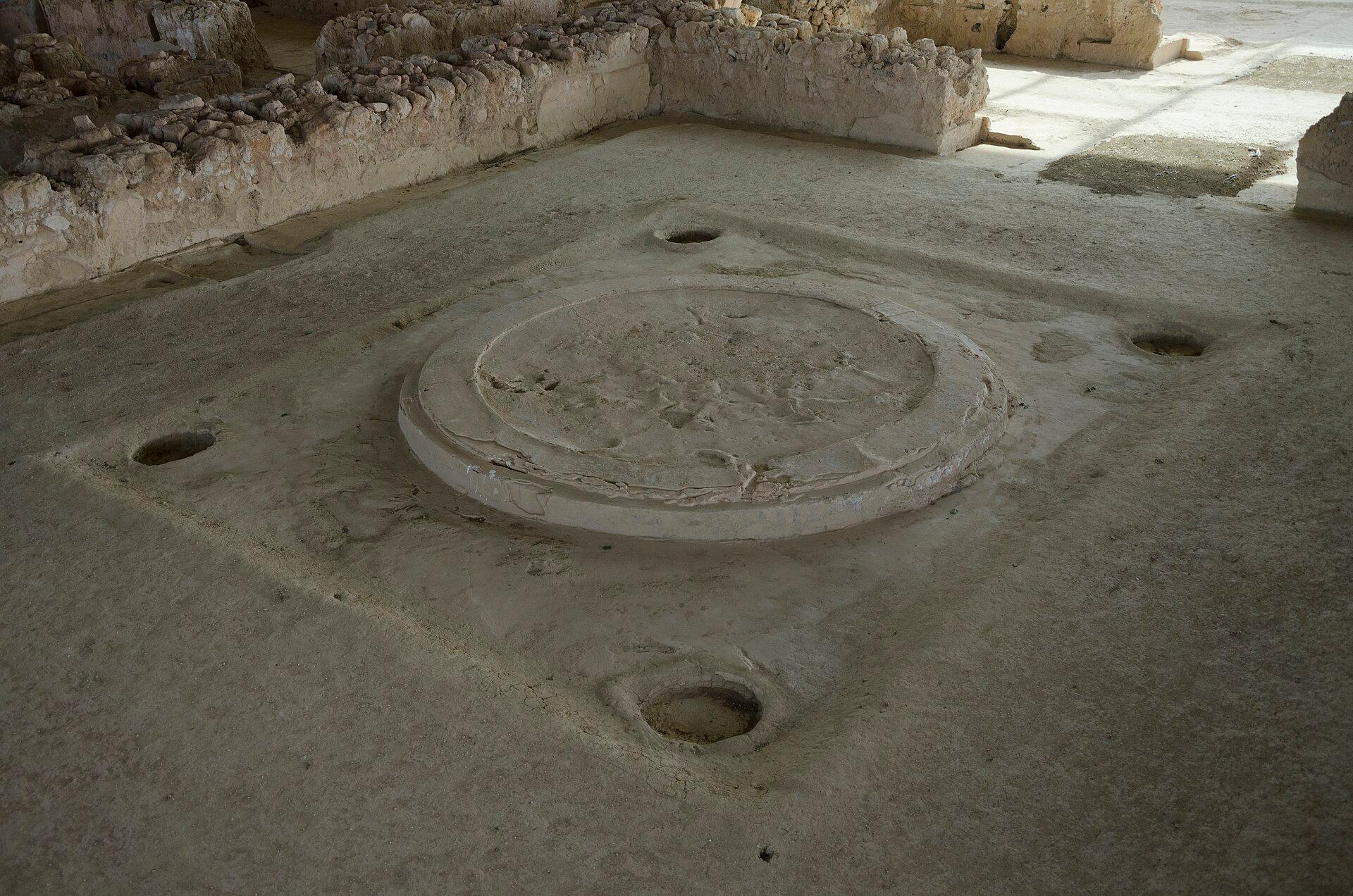
    Palace of Nestor

    The best-preserved Mycenaean palace in Greece, from the 13th century BC and linked by tradition to King Nestor of Homer's Iliad and Odyssey. Walk raised walkways under a modern protective roof above the throne room with its great circular hearth, the bathroom with its terracotta tub still in place, and the archive where more than a thousand Linear B tablets were found. Opening hours change with the season, so check before you go.

  • Archaeological Museum of Pylos

    Photo: Zunkir · CC BY-SA 4.0, via Wikimedia Commons

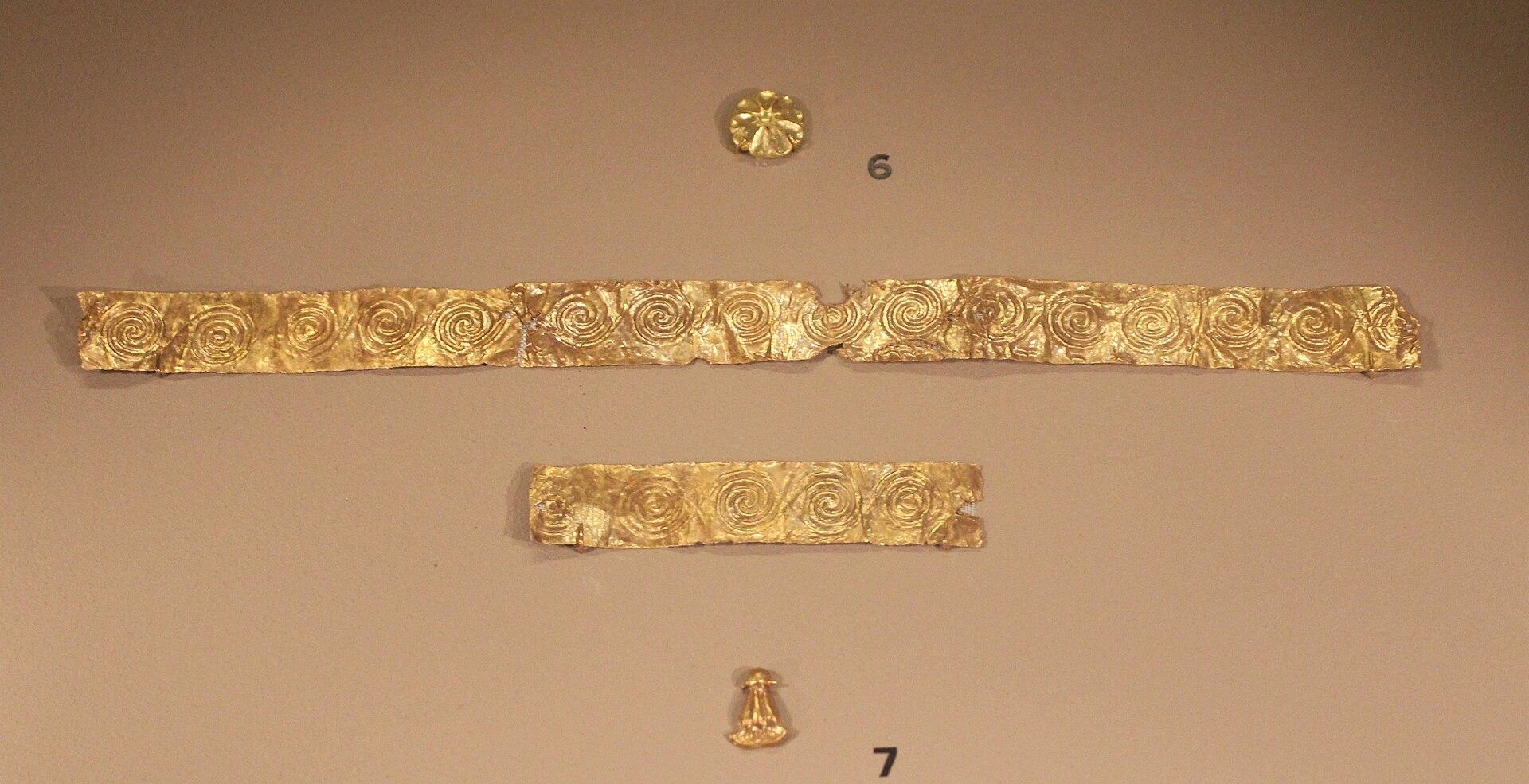
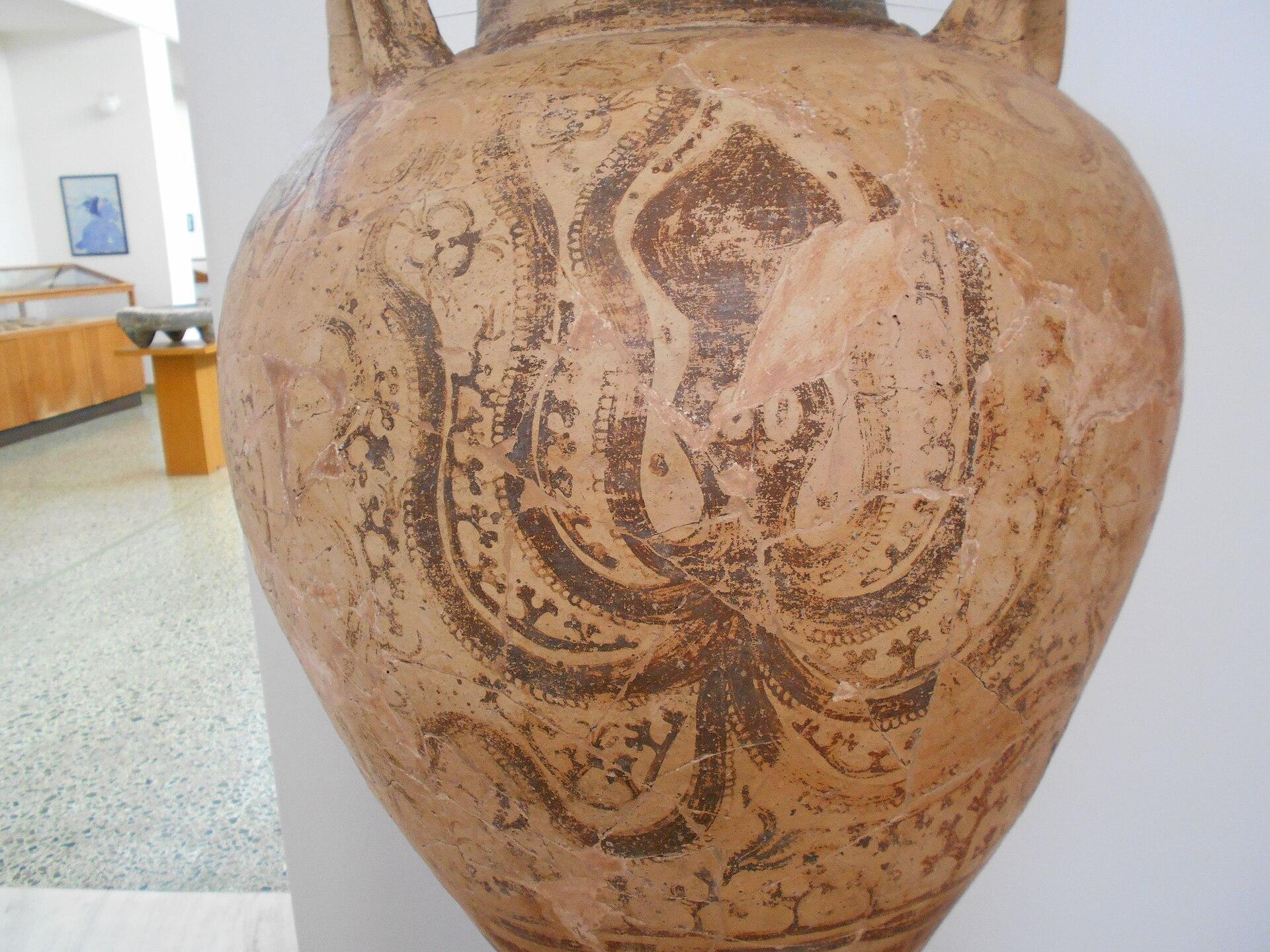
    Archaeological Museum of Pylos

    Inside Niokastro, in the restored Maison building, the museum gathers finds from across the Pylos area, from prehistory to Roman times: Mycenaean pottery, jewellery, weapons and gold from the region's tombs. One ticket covers the museum and the castle.

  • Niokastro Castle

    Photo: Kfilis68 · CC BY-SA 4.0, via Wikimedia Commons

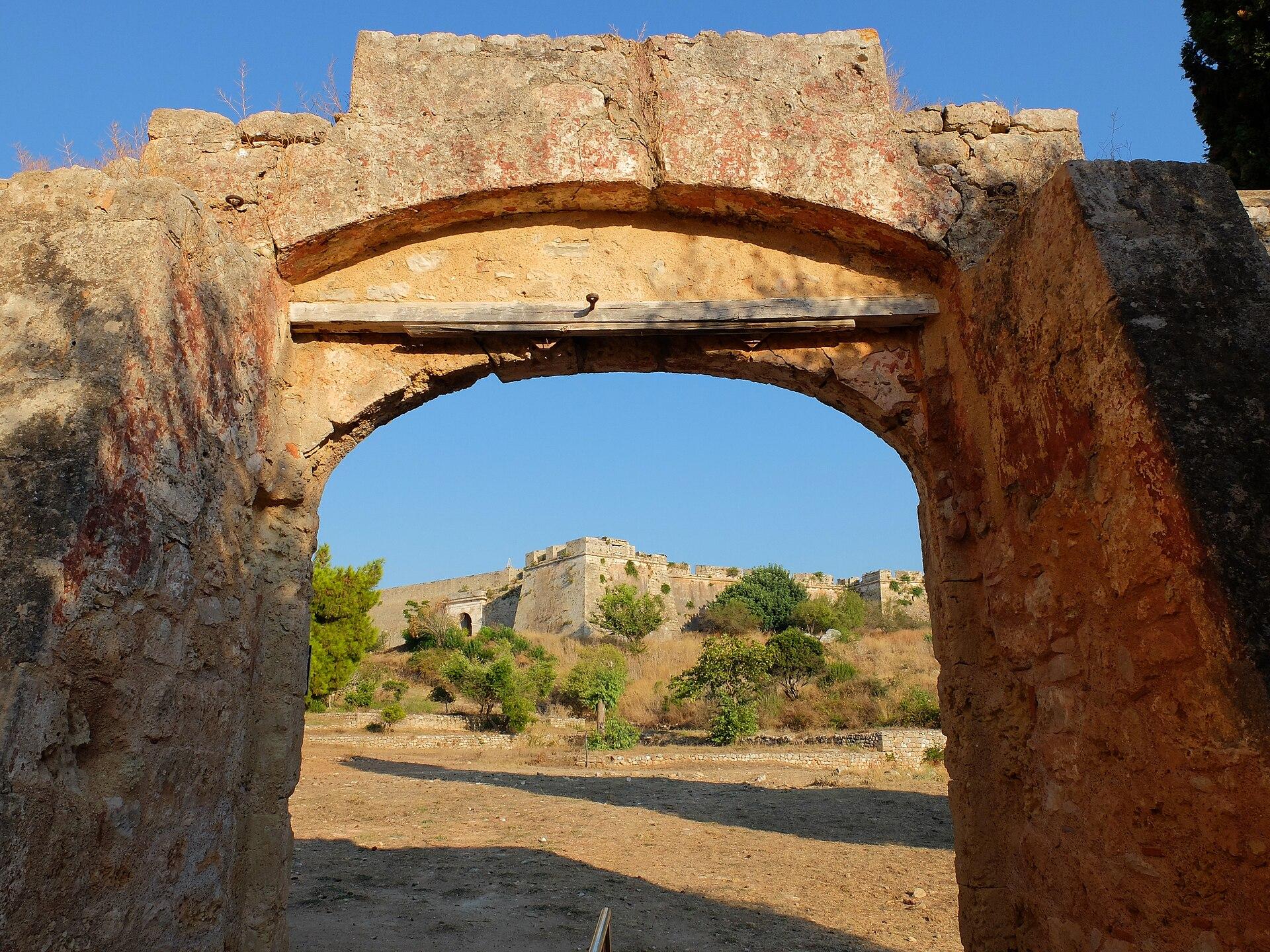
    Niokastro Castle

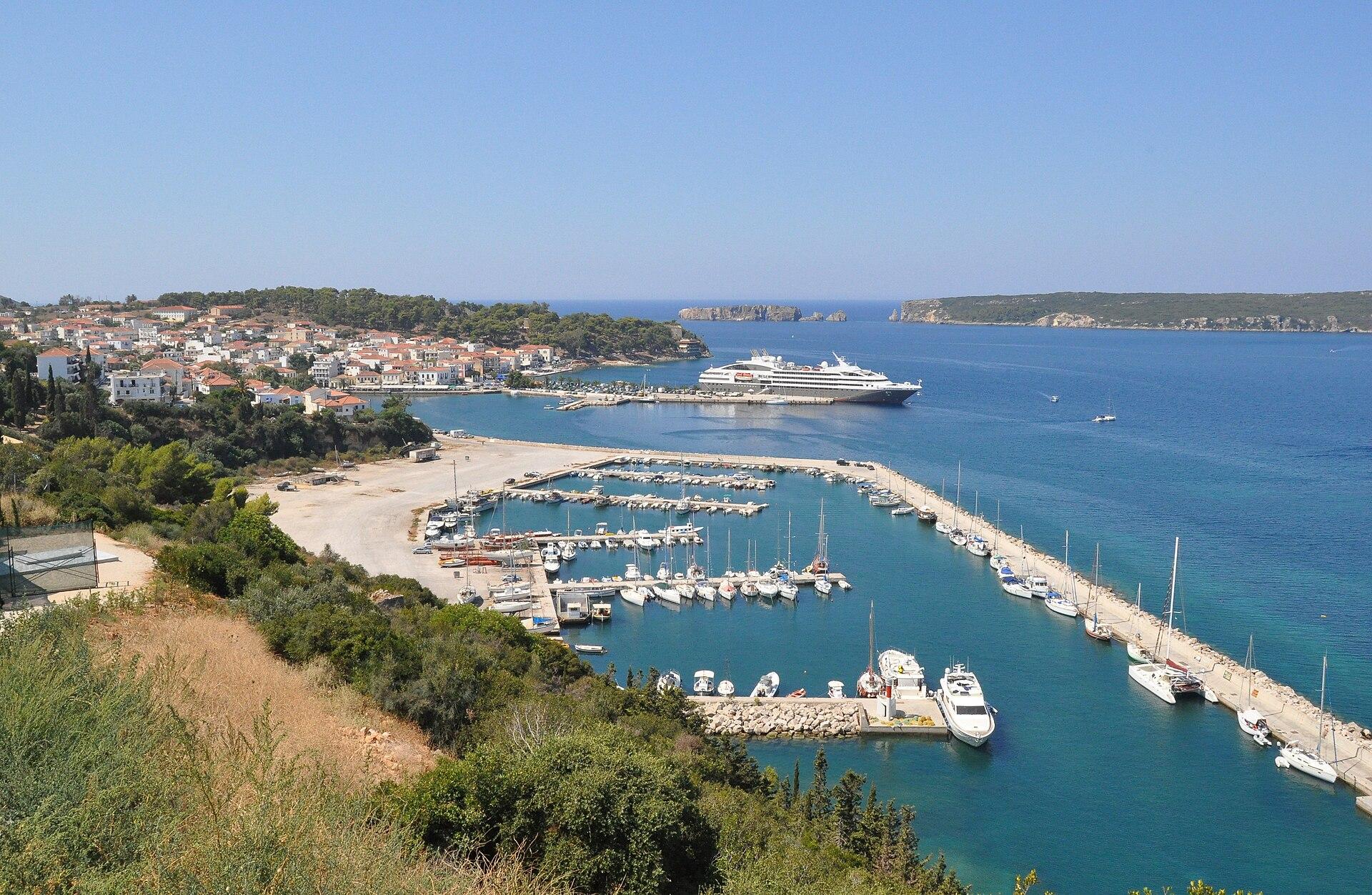
    Built by the Ottomans in 1573 to guard the southern entrance to Navarino Bay, Niokastro is one of the best-preserved castles in Greece. Walk the walls past old cannons, visit the Archaeological Museum and the Church of the Transfiguration, built as a mosque and later converted, and take in the views over the bay and Sfaktiria.

  • Palaiokastro (Old Navarino Castle)

    Photo: photosiotas · CC BY-SA 4.0, via Wikimedia Commons

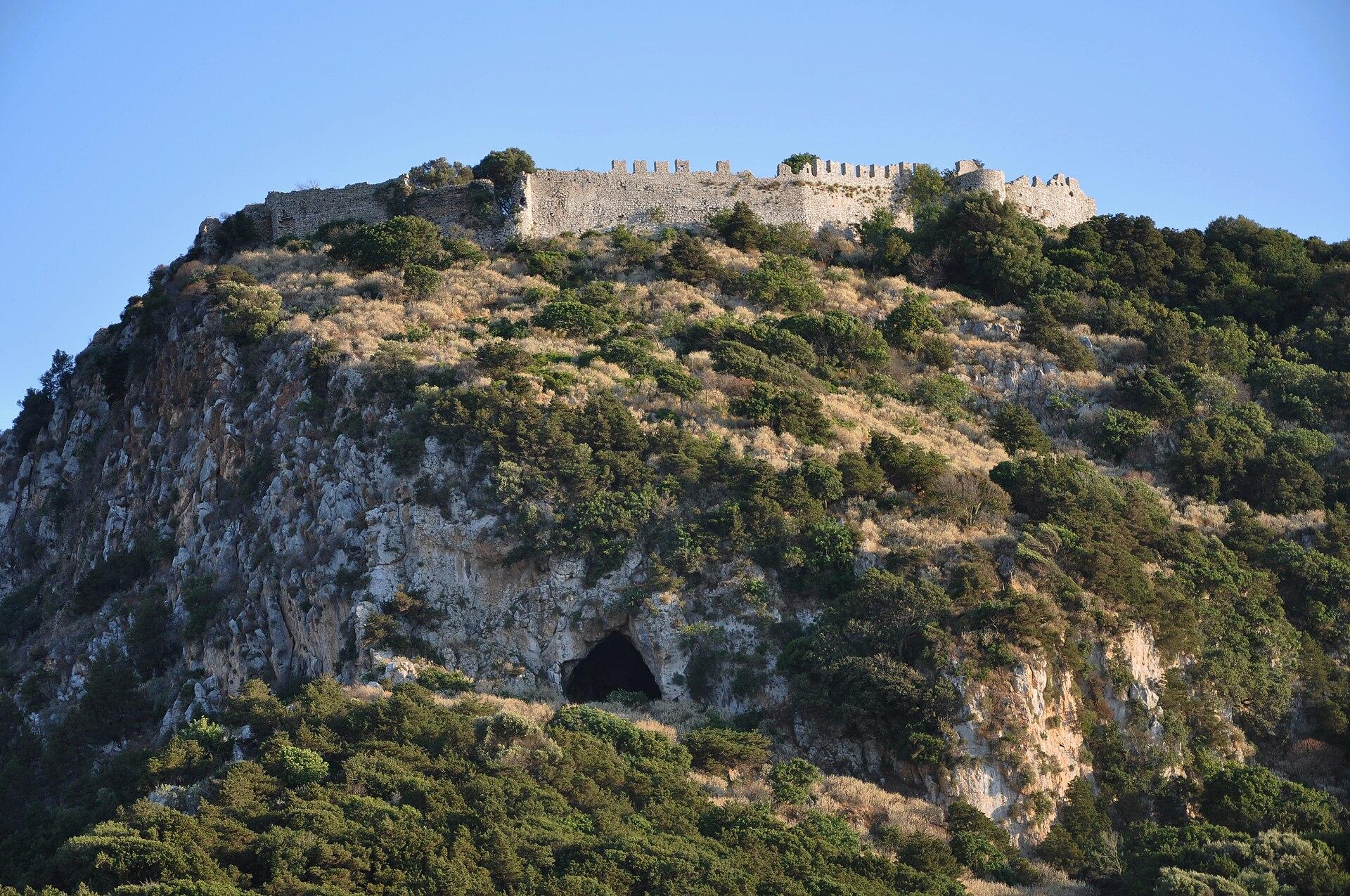
    Palaiokastro (Old Navarino Castle)

    A 13th-century Frankish castle on the 200-metre headland above Voidokilia, built over the acropolis of ancient Pylos. From the top the view takes in Voidokilia, Gialova Lagoon, Navarino Bay, Sfaktiria and the open Ionian Sea. The path is steep and rocky and parts of the castle are fenced off for safety, so wear proper shoes and stay on the trail.

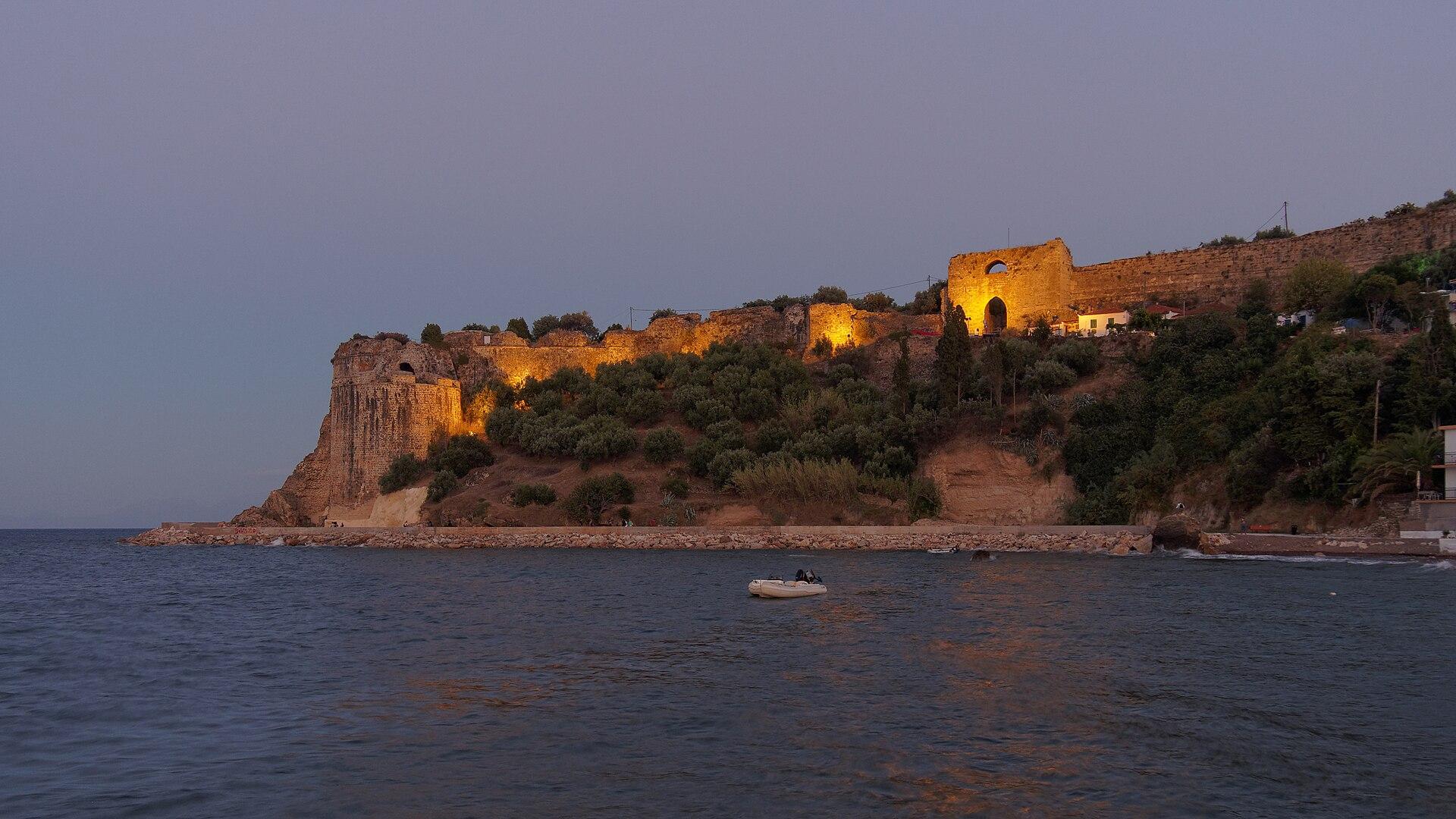
  • Koroni Castle

    Photo: C messier · CC BY-SA 4.0, via Wikimedia Commons

    Koroni Castle

    Together with Methoni, Koroni was one of the 'eyes of Venice' watching the sea routes to the East. It is the only castle in Messinia that is still lived in: inside the walls are houses and gardens, the remains of the Byzantine church of Agia Sophia, and a working monastery with wide views of the gulf. Below it, the town's waterfront is lined with tavernas.

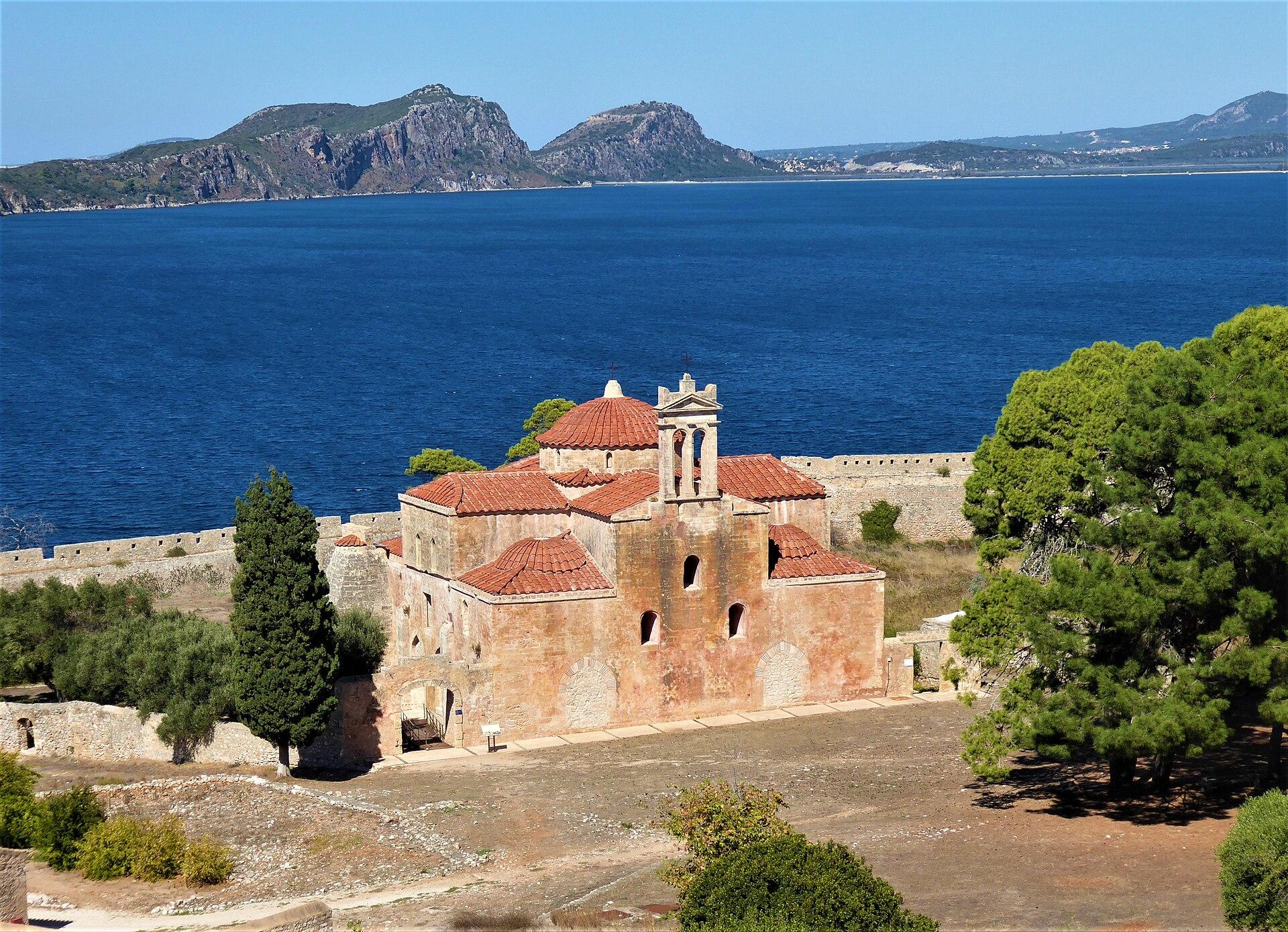
  • Historic Churches of Pylos

    Photo: Chris06 · CC BY-SA 4.0, via Wikimedia Commons

    Historic Churches of Pylos

    The Pylos area is rich in Byzantine and later churches. The most unusual is the Church of the Transfiguration inside Niokastro, built as a mosque under Ottoman rule and converted into an Orthodox church after independence, with both histories still visible in its walls.

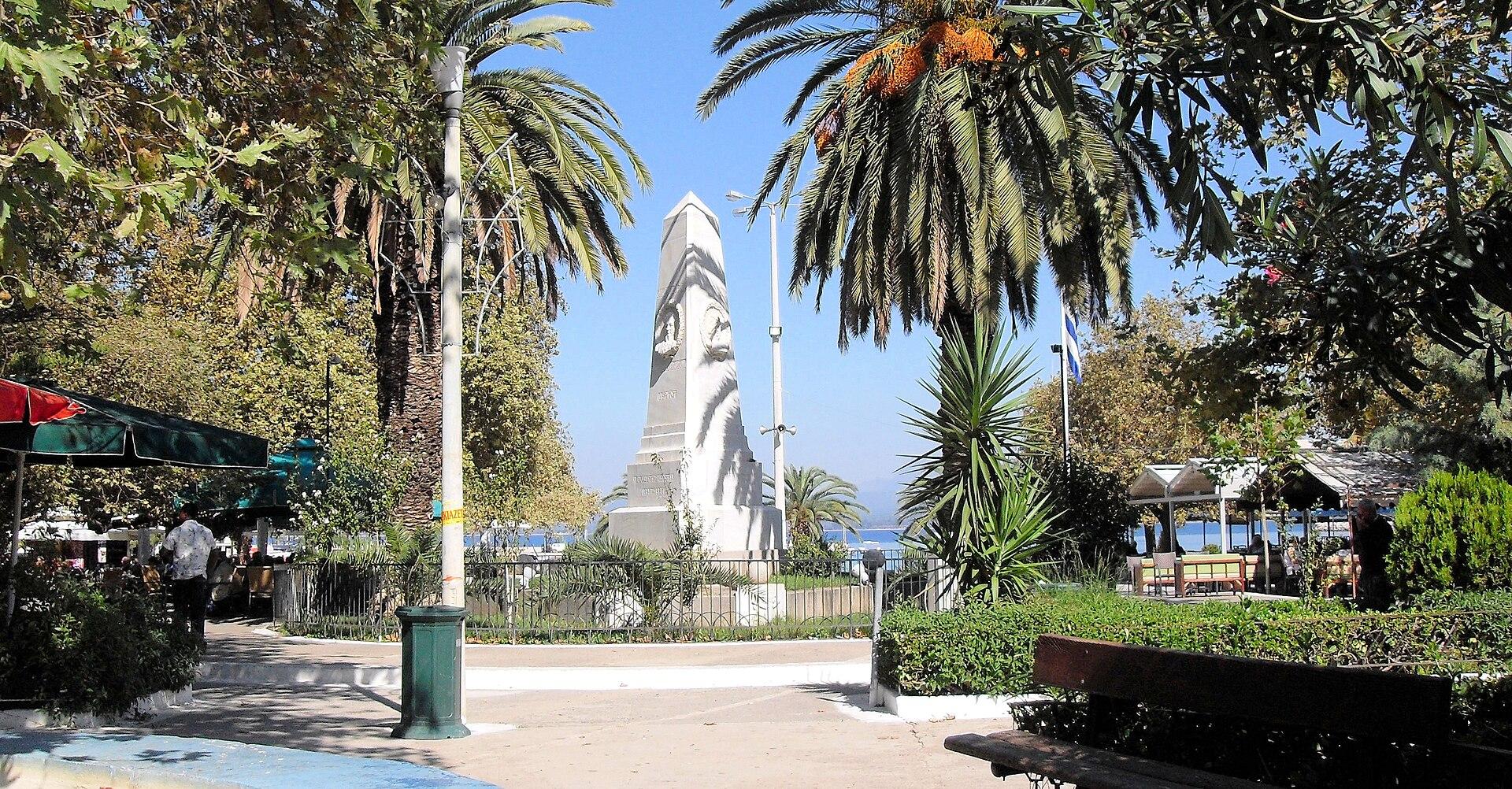
  • Battle of Navarino Monument

    Photo: Rauenstein · CC BY-SA 3.0, via Wikimedia Commons

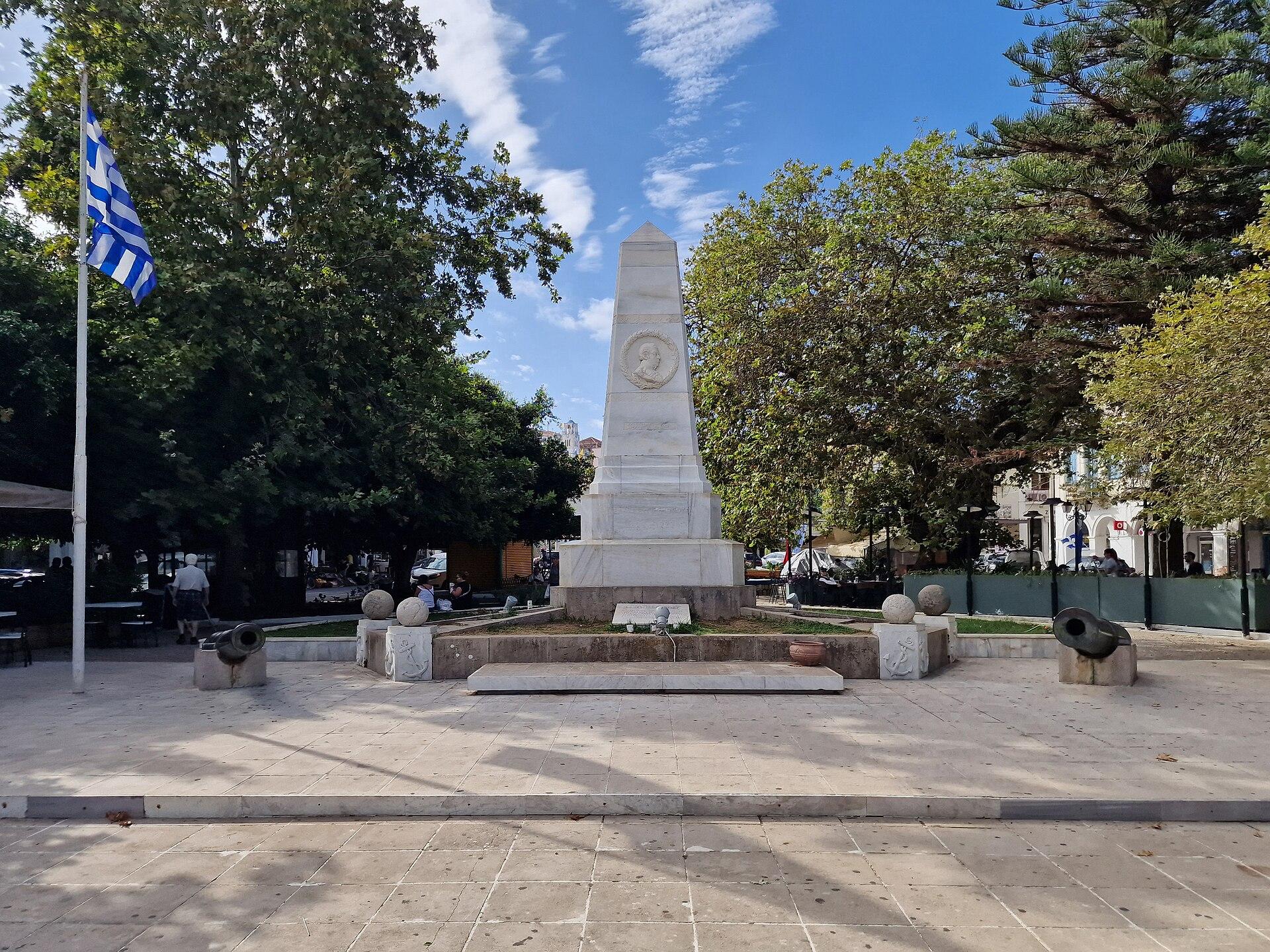
    Battle of Navarino Monument

    A three-sided marble obelisk by the sculptor Thomas Thomopoulos at the centre of Three Admirals Square, honouring Codrington, de Rigny and van Heiden, who led the British, French and Russian fleets at Navarino in 1827. It is flanked by two naval cannons.
02 / 03

Nature & coast

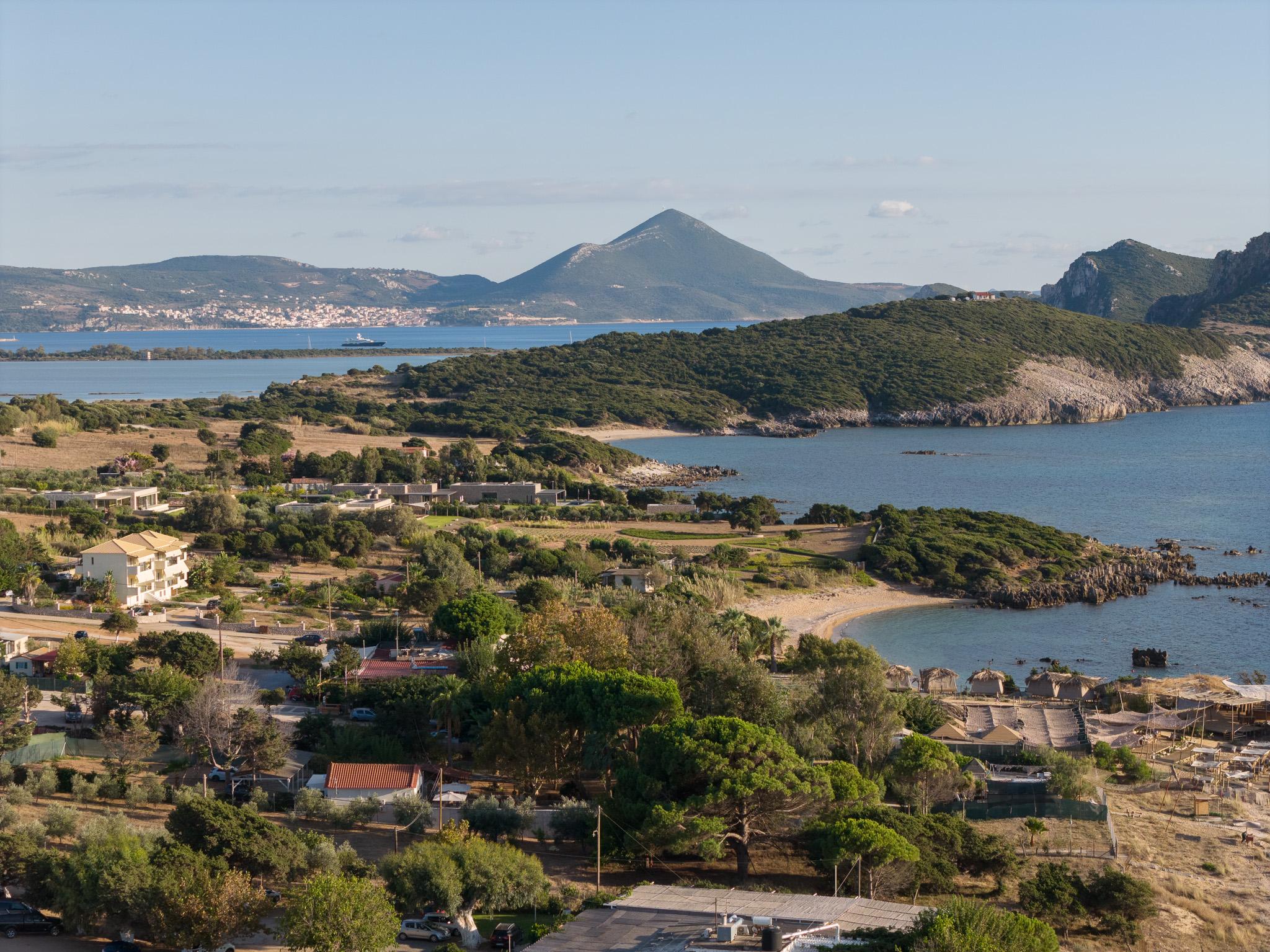
Dunes, a protected lagoon on the bird migration route, quiet islands and the famous omega of Voidokilia.

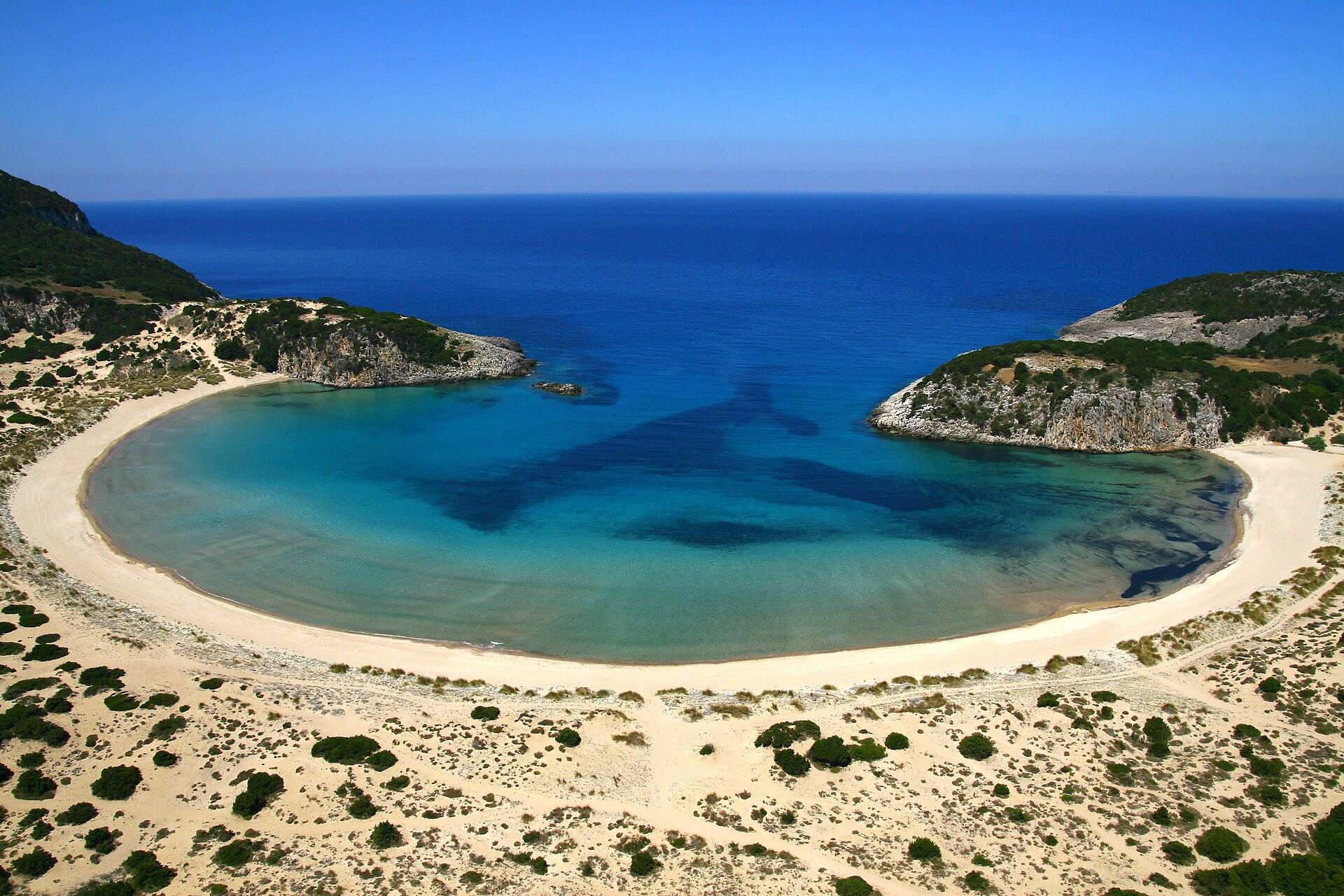
Voidokilia Beach

Voidokilia Beach

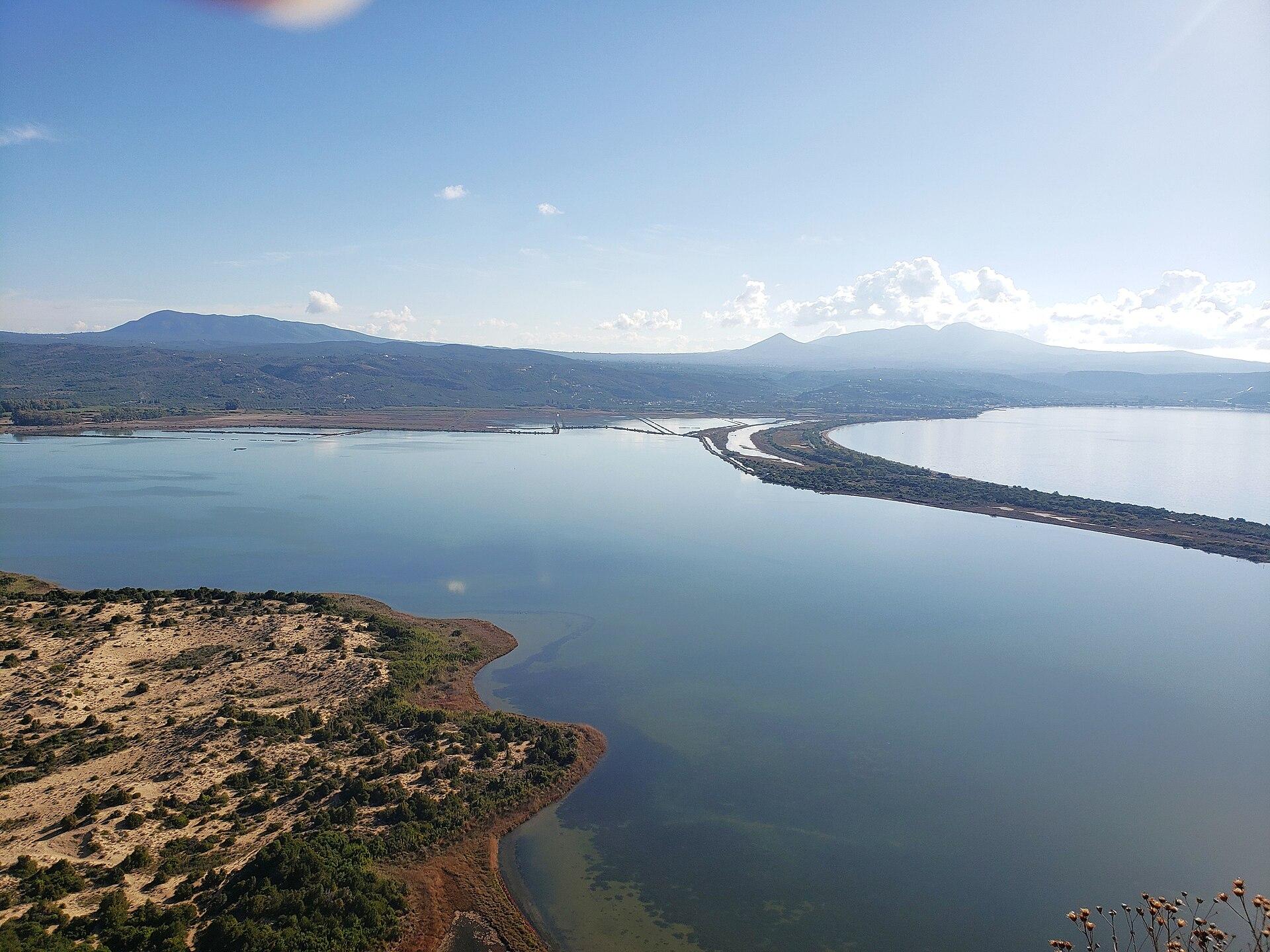
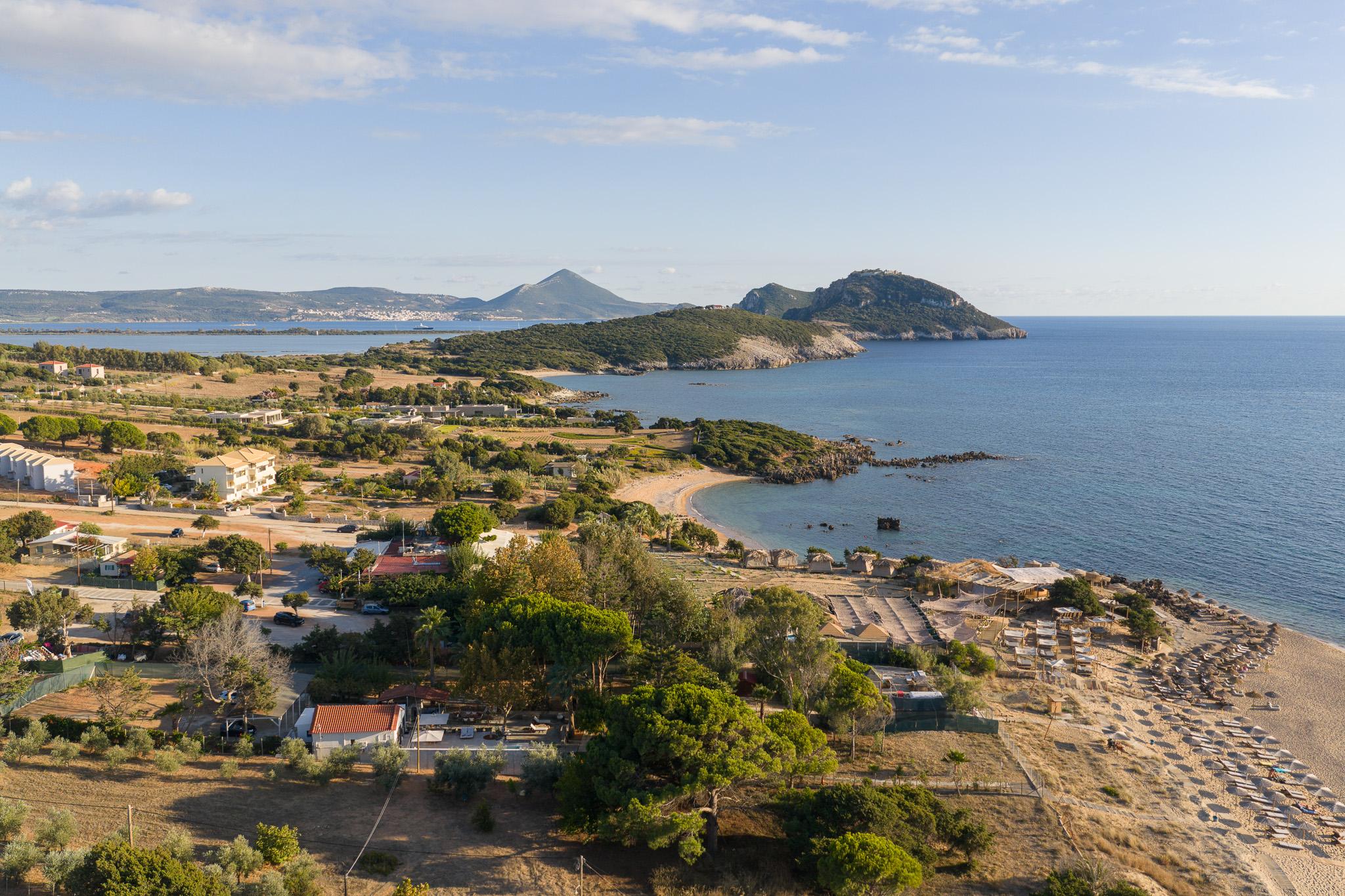
One of the most beautiful beaches in Greece: a near-perfect omega of fine sand around shallow turquoise water. Part of a Natura 2000 protected area and traditionally identified as Homer's 'sandy Pylos', where Telemachus was welcomed by King Nestor. There are no sunbeds or facilities, so bring water and shade. Reached by a dirt road from Petrochori and a short walk through the dunes.

Photo: Grzontan · CC BY-SA 3.0, via Wikimedia Commons

  • Gialova Lagoon (Natura 2000)

    Photo: Chris06 · CC BY-SA 4.0, via Wikimedia Commons

    Gialova Lagoon (Natura 2000)

    One of the most important wetlands in Greece and part of the Natura 2000 network, on the migration route between Europe and Africa. Around 270 bird species have been recorded here, with flamingos in autumn and winter, herons, ospreys and birds of prey, and it is one of the few places in Europe where the African chameleon lives. Hides and a nature trail let you watch without disturbing the wildlife.

  • Navarino Bay

    Photo: Dnalor 01 · CC BY-SA 3.0 at, via Wikimedia Commons

    Navarino Bay

    A deep natural harbour almost enclosed by Sfaktiria, one of the safest anchorages in the Mediterranean. On 20 October 1827 the British, French and Russian fleets destroyed the Ottoman-Egyptian fleet here, a turning point for Greek independence, and wrecks from the battle still lie on the seabed. Today its calm water is made for boat trips, kayaking and swimming.

  • Sfaktiria Island

    Photo: Chris06 · CC BY-SA 4.0, via Wikimedia Commons

    Sfaktiria Island

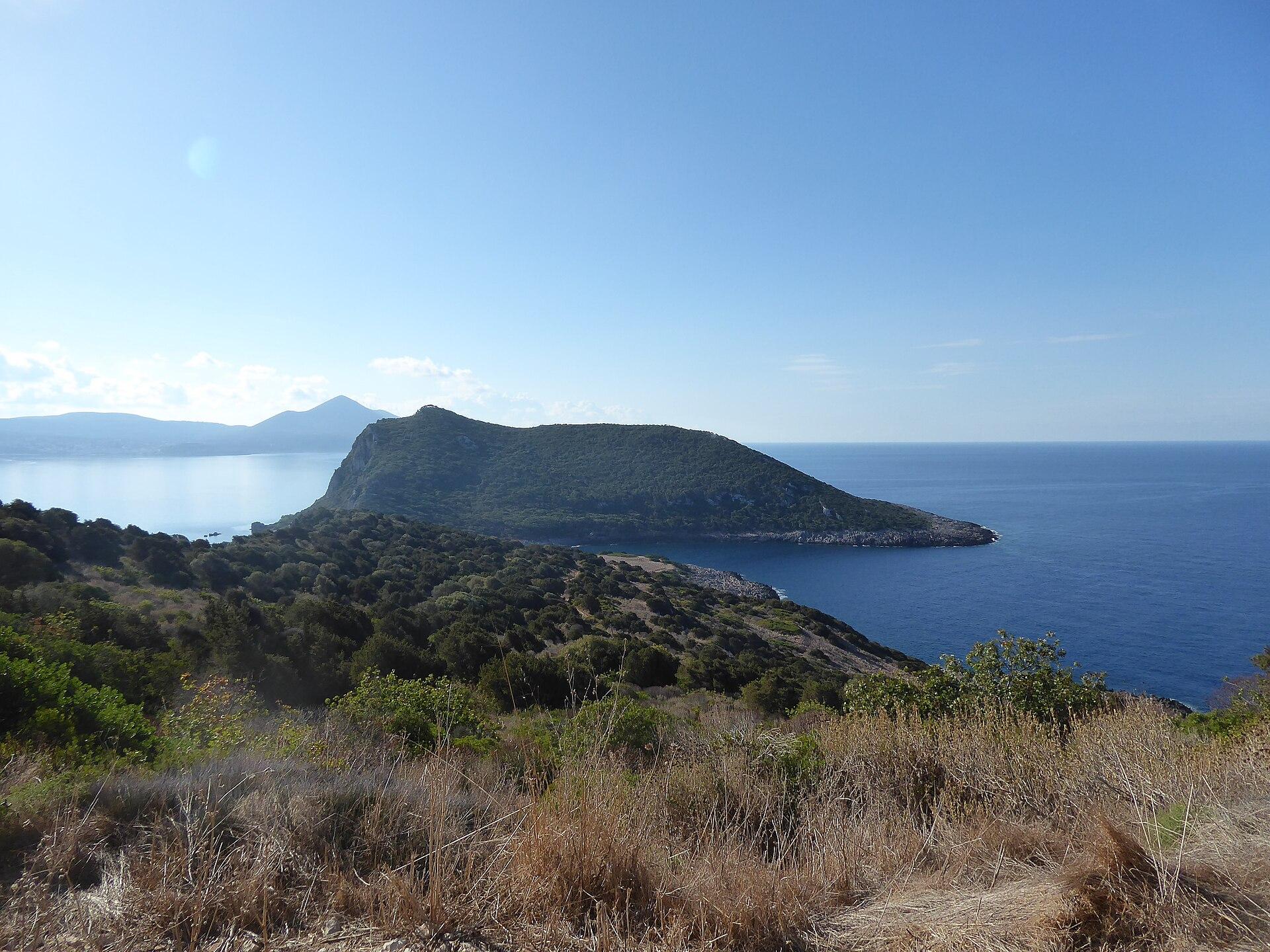
    The long, uninhabited island that closes off Navarino Bay, where history was made three times: the battle of Sphacteria in 425 BC, the fighting of 1825 in the Greek War of Independence, and the naval Battle of Navarino in 1827. Memorials to the Russian, French and British sailors and to the Greek and philhellene fighters stand along its shore. Reached on boat tours from Pylos harbour in summer.

  • Nestor's Cave

    Photo: Fæ · CC BY-SA 3.0, via Wikimedia Commons

    Nestor's Cave

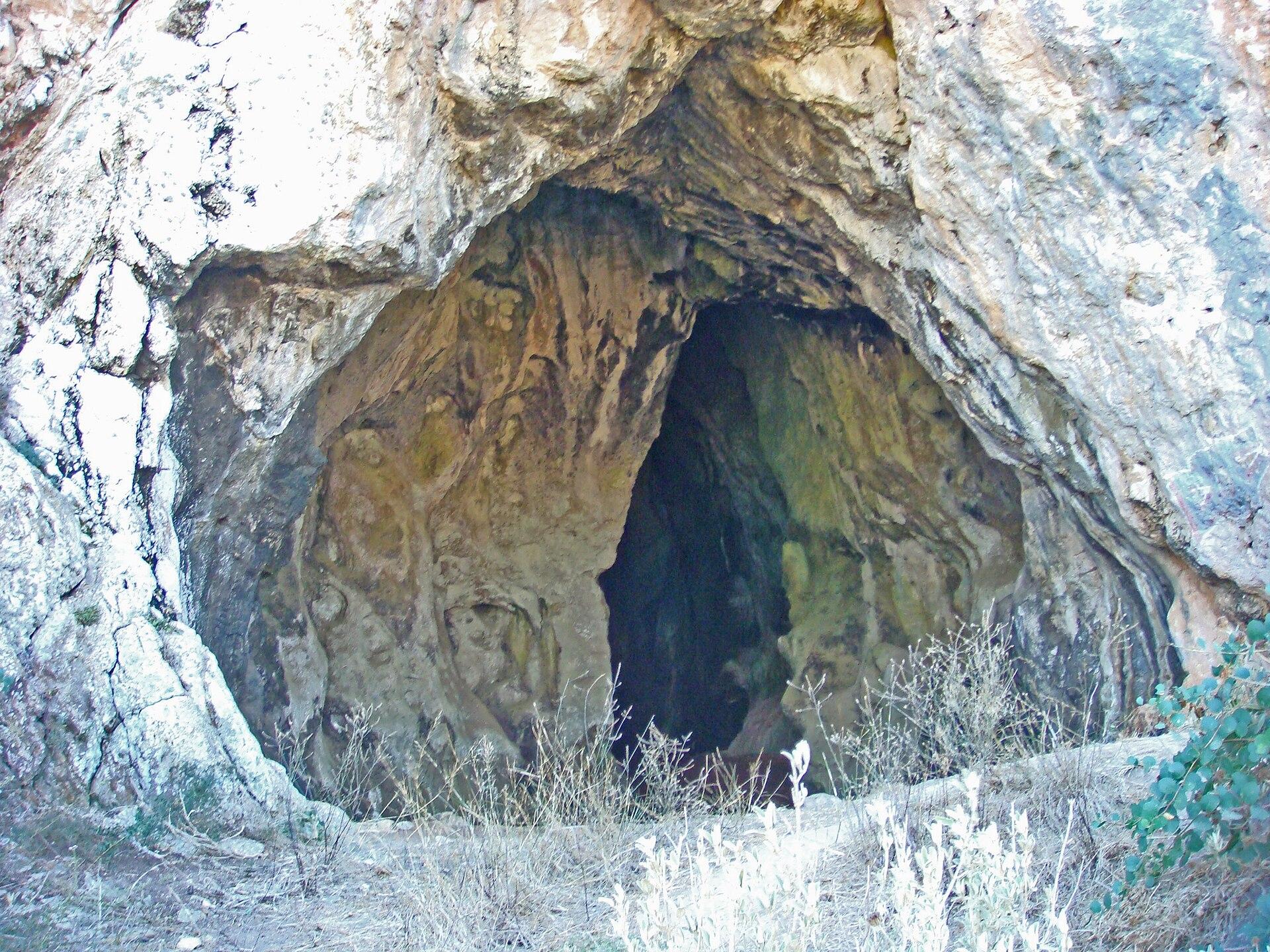
    A large cave on the headland above Voidokilia, where myth says the young Hermes hid the cattle he stole from Apollo. Excavations show it was used as far back as the Neolithic. A short, steep path from the north end of the beach climbs to the entrance, and the view back over the curve of the bay is one of the finest in Messinia.

  • Proti Island

    Photo: Geoandrios · CC BY-SA 4.0, via Wikimedia Commons

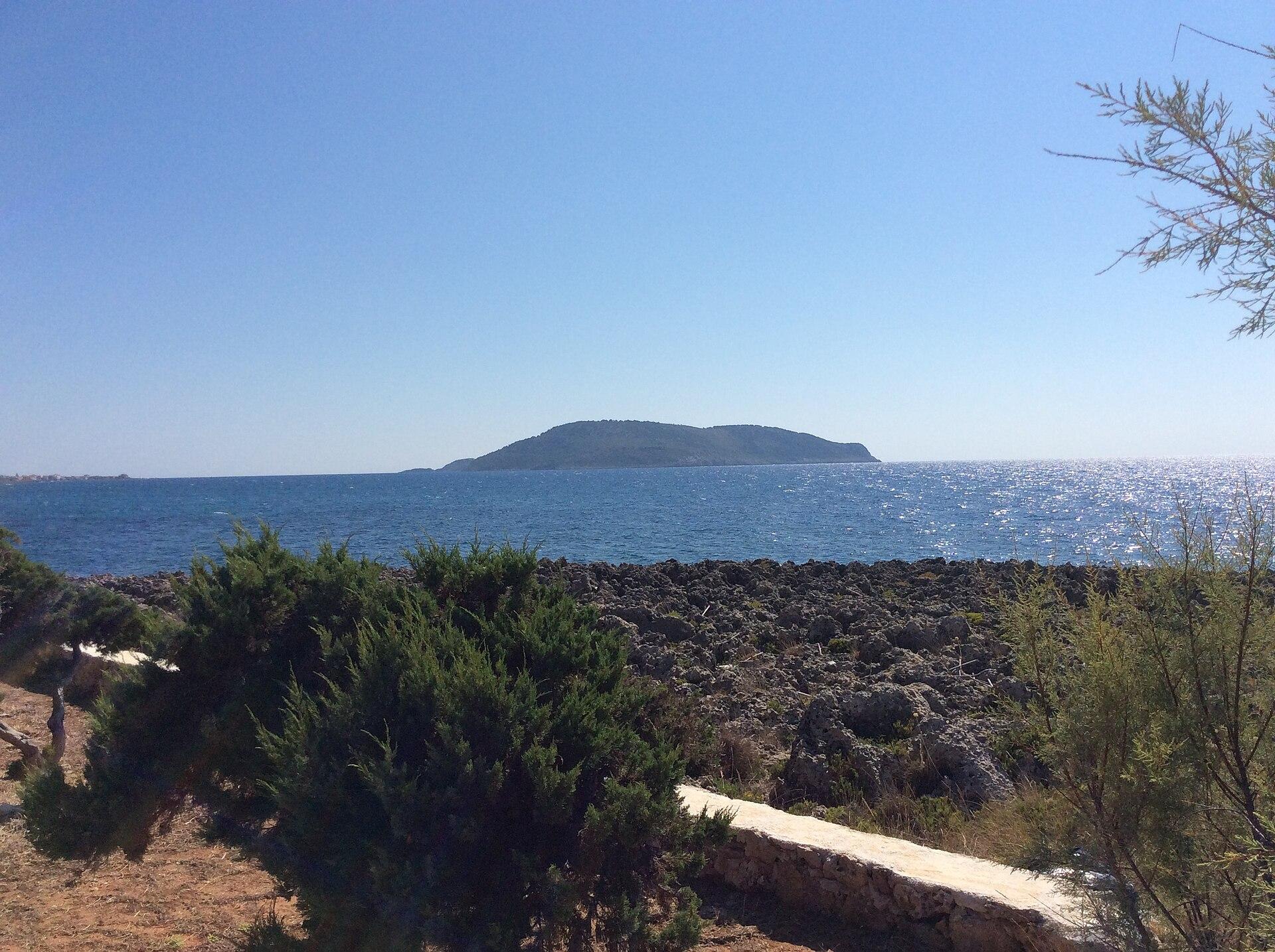
    Proti Island

    A small, uninhabited island just off Marathopoli. Its northern bay, Grammeno, is named after the roughly 30 inscriptions sailors carved into the rock over the centuries, and the monastery of Panagia Gorgopigi stands inland. At Vourlia, its only beach, a shipwreck lies in clear, shallow water, ideal for snorkelling. Reached by boat from Marathopoli in summer.

03 / 03

Towns & villages

Arcaded squares, harbour tavernas and market towns where everyday life goes on as it always has.

Finikounda

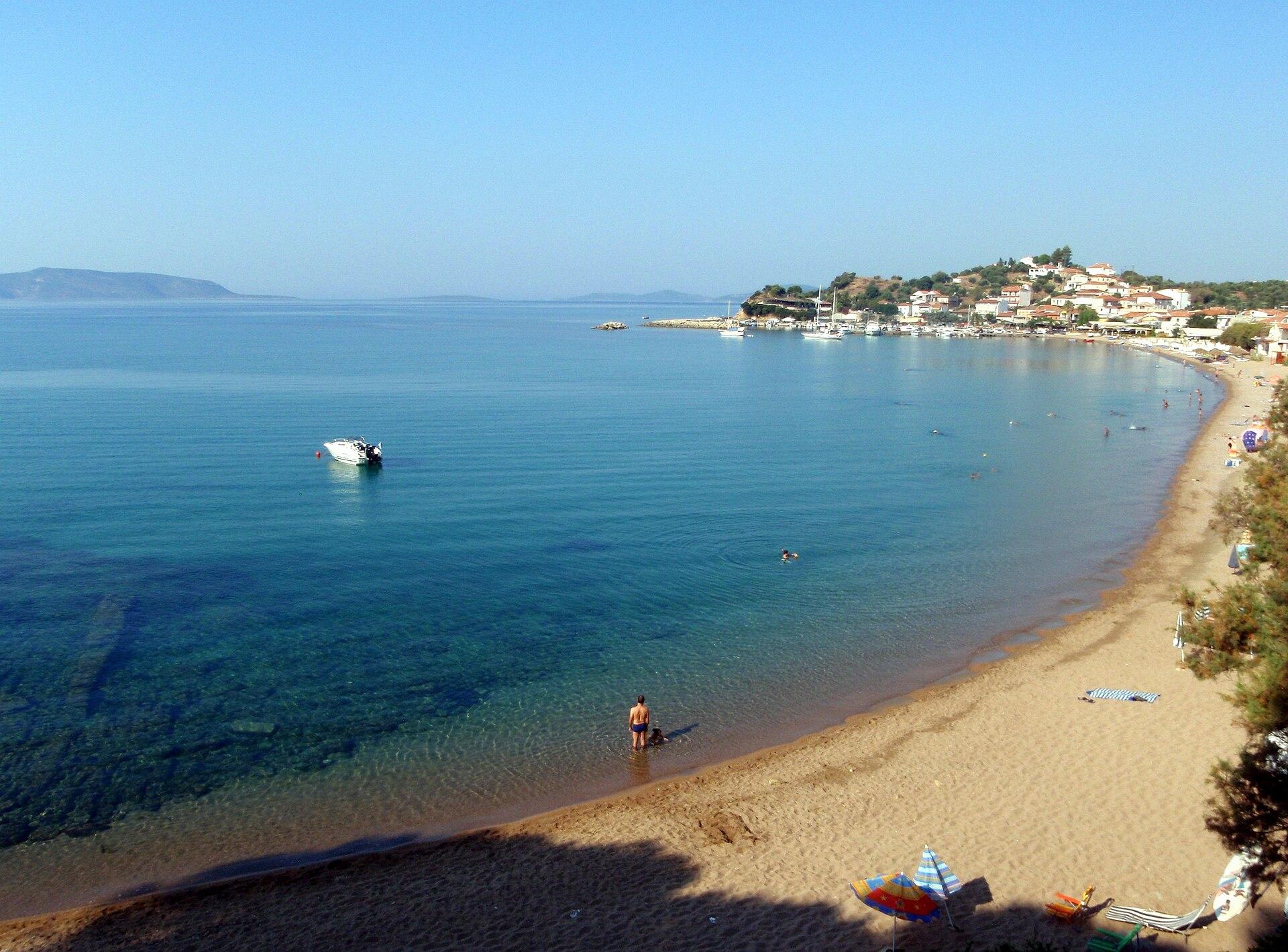
Finikounda

One of the best-loved seaside villages in the Peloponnese, said to take its name from Phoenician traders. The main beach curves around a sheltered bay in front of the houses and tavernas, steady winds make it popular for windsurfing, and boats run to the Oinousses islands. May to June and September to October are quieter.

Photo: Dnalor 01 · CC BY-SA 3.0 at, via Wikimedia Commons

  • Pylos Town Square

    Photo: Rigorius · CC BY-SA 4.0, via Wikimedia Commons

    Pylos Town Square

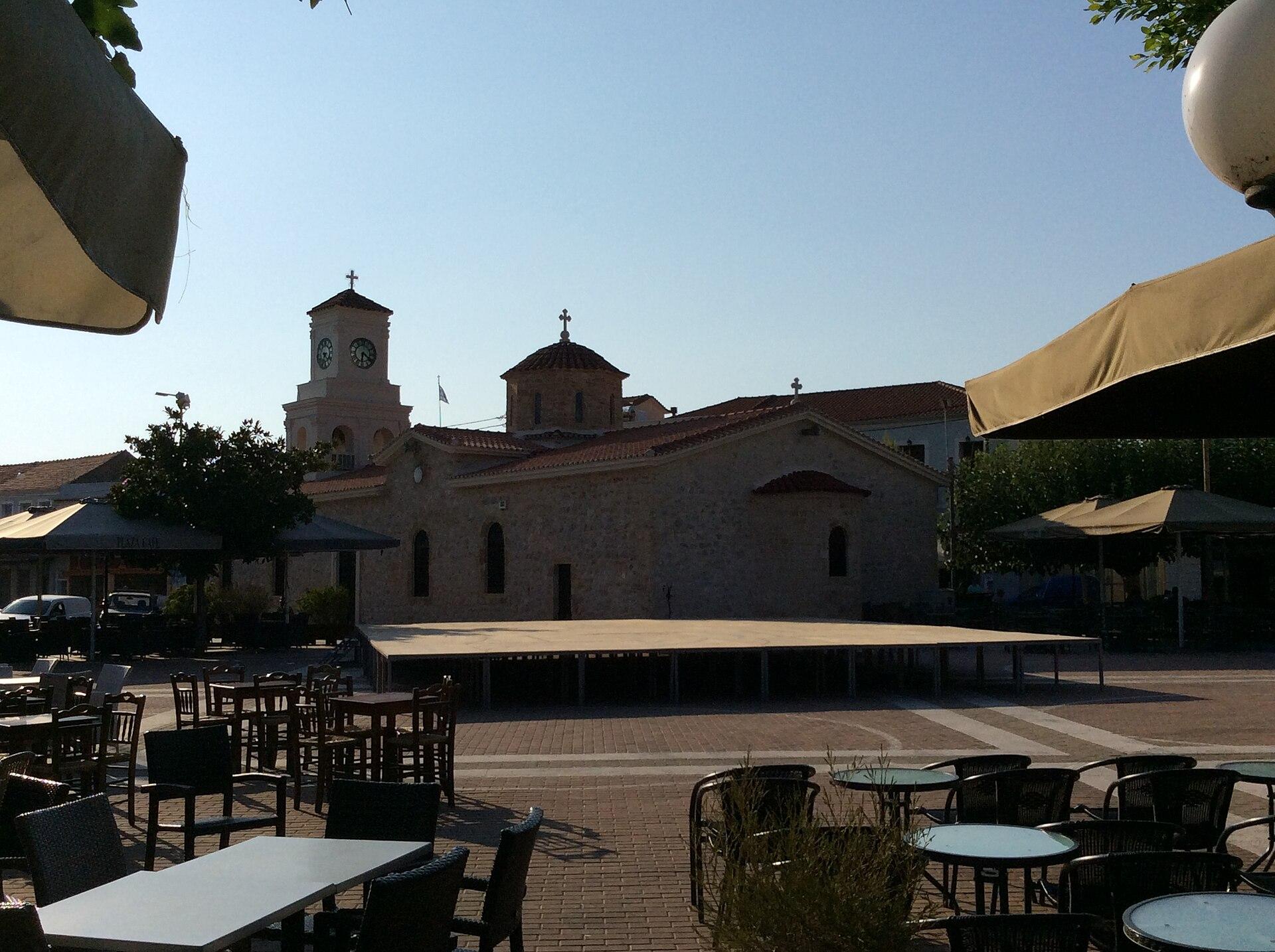
    Three Admirals Square is the heart of Pylos, laid out by French engineers after 1828 and named after the admirals who commanded the allied fleets at Navarino. Arcades of shops, cafés and tavernas surround it under old plane trees, and every year around 20 October it hosts the Navarinia, the celebration of the battle.

  • Chora Village

    Photo: Pivari.com · CC BY-SA 4.0, via Wikimedia Commons

    Chora Village

    The agricultural town closest to the Palace of Nestor. Its Archaeological Museum holds most of the finds from the palace excavations, including fragments of the throne-room wall paintings, pottery and gold from the nearby royal tombs, and is the best way to picture the palace as it was.

  • Gargalianoi Town

    Photo: Geoandrios · CC BY-SA 4.0, via Wikimedia Commons

    Gargalianoi Town

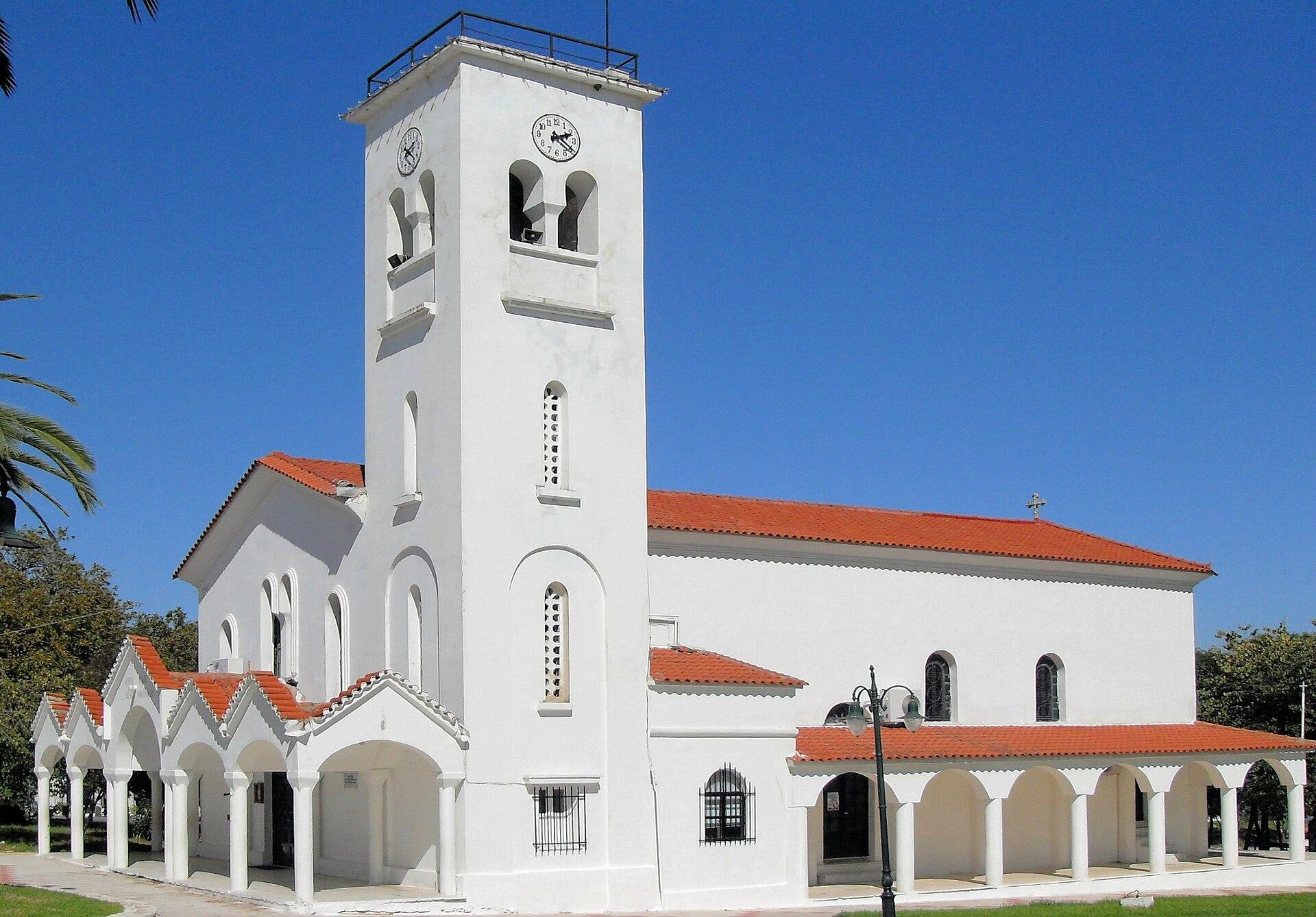
    A lively market town on the slopes of Mount Aigaleo and the centre of Trifylia. The main square is framed by the Church of the Nativity, and the hilltop Church of Prophet Ilias, called 'the balcony of Messinia', looks out over the plain, the Ionian Sea and Proti Island. A good base for Marathopoli and the western beaches.

  • Petalidi Village

    Photo: Rauenstein · CC BY-SA 3.0, via Wikimedia Commons

    Petalidi Village

    A quiet seaside village on the Messenian Gulf, on the site of ancient Korone. Life centres on the main square and its church of Agios Nikolaos, lined with cafés and tavernas, and the small harbour beach looks across the gulf to the Taygetos mountains.

  • Costa Navarino

    Photo: Grzontan · CC BY-SA 3.0, via Wikimedia Commons

    Costa Navarino

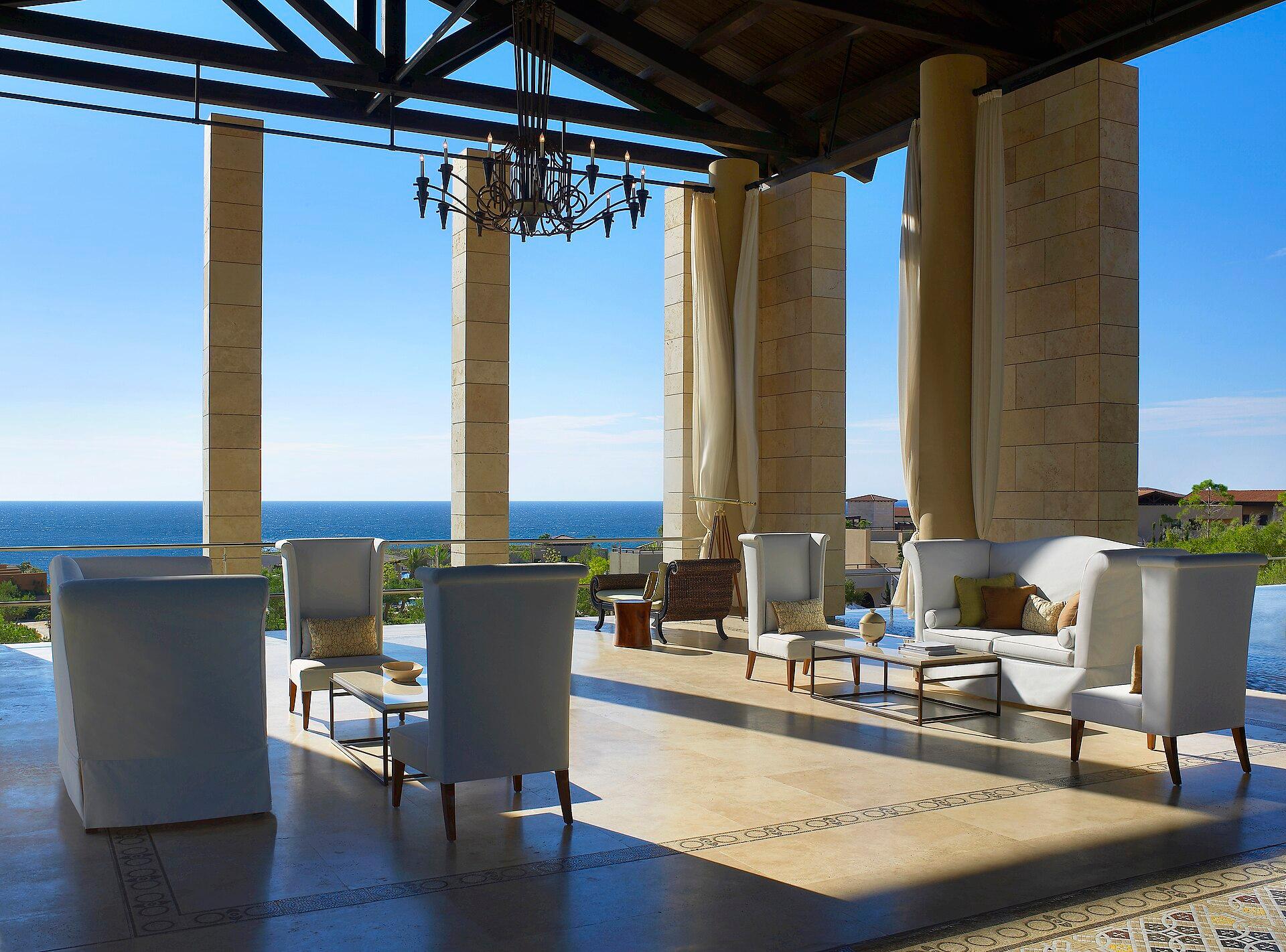
    One of the Mediterranean's leading luxury resort destinations, just north of Pylos, with five-star hotels, signature golf courses, spas and water sports. The long beach at Romanos is an important nesting site for the loggerhead sea turtle, protected with the conservation group ARCHELON.

Where we are

Find us on the map

Google Maps is disabled

Accept cookies to view the interactive map.